
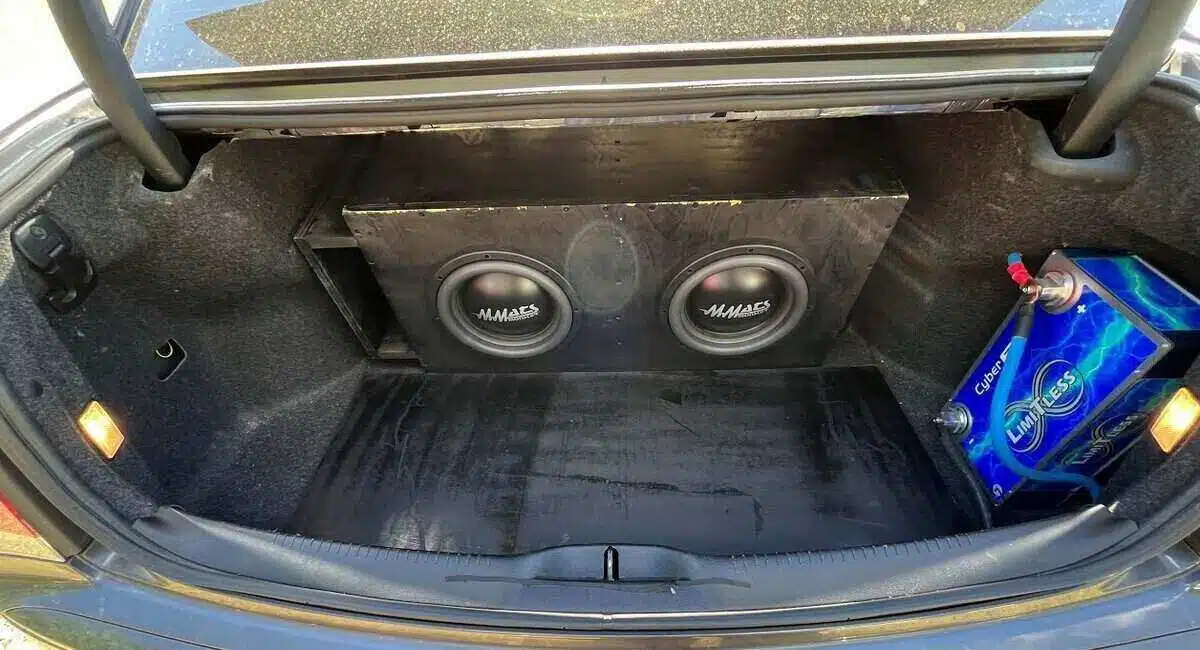
Driving with a powerful audio system should be an exciting experience, but unwanted rattles can quickly ruin the mood. Many car owners struggle with the challenge of how to stop vibration from subwoofer in car, as deep bass often causes panels, doors, and trunks to shake. These vibrations not only distort sound quality but also make your setup feel less professional. The good news is that with the right techniques—ranging from tightening loose components to using sound-deadening materials—you can eliminate rattling and enjoy clean, crystal-clear bass. This guide will walk you through practical solutions and advanced tips to achieve the perfect car audio experience.
Contents
- Why Subwoofers Cause Vibration in Cars
- How to Stop Vibration from Subwoofer in Car: Step-by-Step Guide
- Advanced Solutions for Persistent Vibrations
- Maintenance Tips for Long-Term Results
- FAQs
- Q1: Why does my car rattle when the bass hits?
- Q2: What is the best sound deadening material for car subwoofers?
- Q3: Can subwoofer placement reduce vibration?
- Q4: How do I stop my trunk from rattling with a subwoofer?
- Q5: Do bigger subwoofers cause more vibration?
- Q6: Is it better to use a sealed or ported enclosure to reduce rattling?
- Conclusion
Why Subwoofers Cause Vibration in Cars
Subwoofers are designed to produce deep bass frequencies, and those low-frequency waves naturally cause surfaces to resonate. Cars, with their mix of metal, plastic, and fabric panels, often amplify these vibrations.
The Science Behind Bass Frequencies
Bass frequencies travel through both air and solid materials. When these waves hit thin car panels, they create resonance, which leads to rattling. The stronger the bass output, the more noticeable the vibration becomes. Understanding this science helps you target the right areas for fixes.
Common Problem Areas in Vehicles
Most drivers notice rattling in the trunk, doors, dashboard, or even the license plate. These areas are vulnerable because of loose fittings or lightweight materials. Identifying the exact source of vibration is crucial—sometimes it’s as simple as a loose screw, while other times it requires soundproofing entire panels.
How to Stop Vibration from Subwoofer in Car: Step-by-Step Guide
Fixing vibration doesn’t always require expensive tools. Many solutions are straightforward and can be done at home.
Inspect and Tighten Loose Components
Loose screws, bolts, and clips act like amplifiers for vibration. Start by checking the trunk, doors, and dashboard. Even small adjustments can drastically reduce rattling. A thorough inspection ensures that your subwoofer’s energy is directed into sound, not unwanted noise.
Use Sound Deadening Materials
Sound-deadening mats like Dynamat or butyl-based liners absorb vibrations and prevent resonance. Installing them in doors, trunk, and floor panels creates a quieter cabin and enhances bass clarity. This step is one of the most effective long-term solutions for car audio enthusiasts.
Proper Subwoofer Enclosure Setup
A poorly fitted enclosure can cause excessive vibration. Sealed boxes reduce rattling, while ported boxes deliver louder bass but may increase resonance. Choosing the right enclosure depends on whether you prioritize clarity or volume.
Comparison Table: Sealed vs. Ported Subwoofer Enclosures
| Feature | Sealed Enclosure | Ported Enclosure |
|---|---|---|
| Bass Quality | Tight, accurate | Louder, deeper |
| Vibration Control | Better | Moderate |
| Space Requirement | Compact | Larger |
| Best For | Clarity lovers | Bass enthusiasts |
Adjust Subwoofer Placement
Positioning matters more than most people realize. Placing the subwoofer against the back seat or in the trunk corner minimizes rattling compared to leaving it free-floating. Experimenting with placement can make a noticeable difference in reducing unwanted noise.
Fine-Tune Amplifier and EQ Settings
Excessive gain or bass boost often leads to distortion and vibration. Balancing amplifier settings ensures clean bass without overwhelming your car’s structure. Proper tuning not only reduces rattling but also extends the life of your audio equipment.
Advanced Solutions for Persistent Vibrations
If basic fixes don’t solve the problem, advanced methods can help you achieve professional-grade sound.
Adding Acoustic Insulation
Installing acoustic liners in doors, trunk, and floor areas absorbs vibrations and prevents resonance. This creates a more refined audio environment, similar to what you’d find in high-end vehicles.
Reinforcing Car Panels
Thin metal panels can be reinforced with braces or custom fabrication. This prevents resonance and ensures long-term durability. Reinforcement is especially useful for cars with powerful subwoofers that produce extreme bass levels.
Professional Installation vs. DIY
While DIY fixes work for many, complex setups may require expert installers. Professionals can identify hidden vibration sources and apply advanced soundproofing techniques. If you’ve tried multiple solutions without success, professional help may save time and money.
Maintenance Tips for Long-Term Results
Stopping vibration isn’t a one-time fix—it requires ongoing care.
- Regularly check subwoofer mounts and brackets to ensure they stay secure.
- Clean wiring connections to prevent loose contacts that can cause buzzing.
- Monitor amplifier gain settings to avoid overloading.
- Inspect soundproofing materials for wear and replace them when needed.
FAQs
Q1: Why does my car rattle when the bass hits?
– Rattling occurs because low-frequency bass waves resonate with loose or thin car panels. The vibration amplifies in areas like the trunk, doors, or license plate. Identifying and tightening these components, along with adding sound-deadening materials, usually solves the issue.
Q2: What is the best sound deadening material for car subwoofers?
– Dynamat and similar butyl-based mats are considered the best. They adhere firmly to panels, absorb vibrations, and reduce noise. Foam liners and rubber mats are also effective for budget-friendly solutions.
Q3: Can subwoofer placement reduce vibration?
– Yes. Placing the subwoofer against solid surfaces, like the back seat or trunk corner, helps minimize rattling. Avoid leaving it unsecured, as free-floating enclosures amplify vibrations.
Q4: How do I stop my trunk from rattling with a subwoofer?
– Apply sound-deadening mats to trunk panels, tighten bolts, and add foam around the license plate. These steps reduce resonance and eliminate trunk rattles.
Q5: Do bigger subwoofers cause more vibration?
– Generally, yes. Larger subwoofers produce deeper bass, which can resonate more strongly with car panels. Proper enclosure setup and soundproofing are essential to control vibration.
Q6: Is it better to use a sealed or ported enclosure to reduce rattling?
– Sealed enclosures are better for reducing rattling because they produce tighter, more controlled bass. Ported enclosures deliver louder bass but may increase resonance if not properly installed.
Conclusion
Stopping subwoofer vibration in your car is about combining smart setup, soundproofing, and regular maintenance. From tightening loose parts to investing in quality sound-deadening materials, these steps ensure your bass sounds clean and powerful.
Ready to upgrade your car audio experience? Explore car audio installation guide for more tips, or check out Dynamat official site for premium soundproofing materials. Don’t let rattles ruin your ride—apply these fixes today and enjoy crystal-clear bass on every drive.