
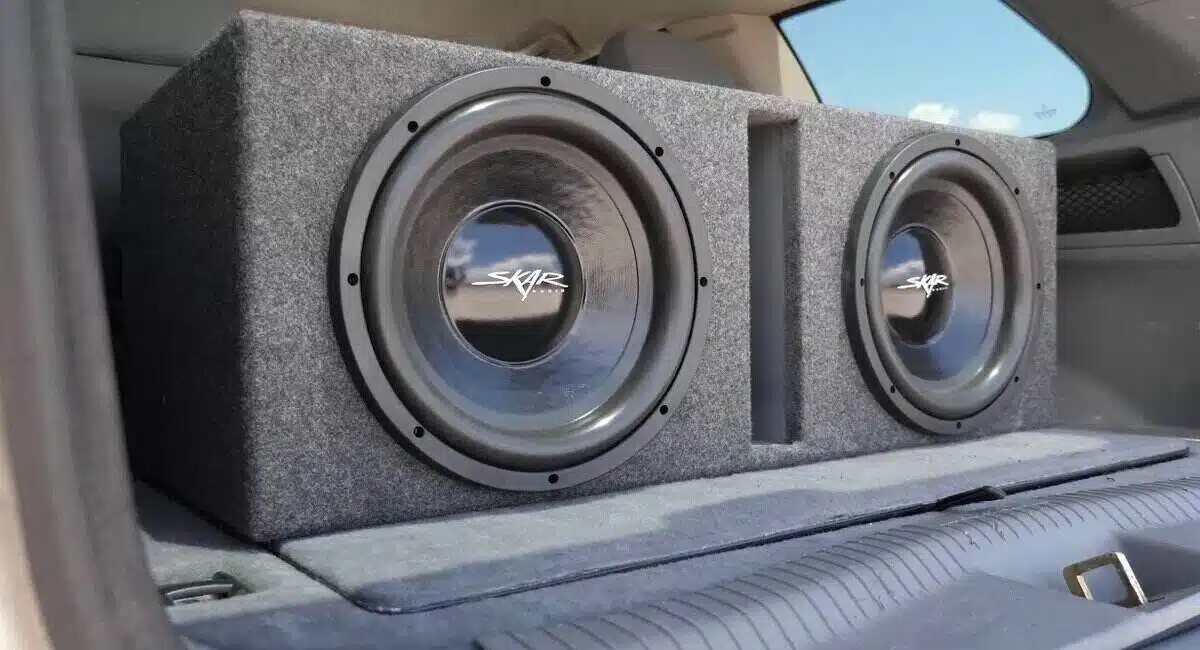
Few things are more satisfying than feeling deep, clean bass while driving. But without proper tuning, subwoofers can sound muddy, distorted, or overpowering. Many enthusiasts ask how to tune car subwoofers to achieve the perfect balance between clarity and power. The answer lies in understanding your equipment, adjusting settings carefully, and optimizing placement. This guide will walk you through everything from basic adjustments to advanced techniques so you can enjoy professional-quality sound in your car.
Contents
Why Tuning Car Subwoofers Matters
Tuning isn’t just about making your system louder—it’s about achieving balance. Properly tuned subwoofers deliver bass that complements mids and highs, creating a full, immersive soundstage. A well-tuned system ensures that every instrument and vocal is heard clearly, while the bass provides depth without overwhelming the mix.
The Role of Subwoofers in Car Audio
Subwoofers handle low-frequency sounds that regular speakers can’t reproduce. Without them, music lacks depth and impact. When tuned correctly, they add richness and realism to your listening experience, making tracks feel alive.
Common Problems Without Proper Tuning
Skipping tuning often leads to distortion, rattling panels, or weak bass output. Overpowered bass can drown out melodies, while underpowered bass leaves music feeling flat. These issues not only reduce enjoyment but can also damage your audio equipment over time.
Preparing to Tune Car Subwoofers
Preparation is the foundation of successful tuning. Without the right tools and understanding, adjustments may not deliver the results you expect.
Essential Tools and Equipment
You’ll need an amplifier, EQ, crossover, and possibly a sound meter or tuning app. These tools help you measure and adjust sound accurately. Having the right equipment ensures precision and prevents guesswork, making your tuning process smoother.
Understanding Your Car’s Acoustic Environment
Every car has unique acoustics. Cabin size, seat materials, and panel thickness all affect sound. Recognizing these factors helps you fine-tune settings for your specific vehicle. For example, a compact car may require different adjustments than a large SUV to achieve balanced bass.
How to Tune Car Subwoofers: Step-by-Step Guide
Tuning is a process of careful adjustments. Each step builds toward achieving clean, powerful bass that enhances your overall audio system.
Set the Gain Properly
Gain controls the input signal to your amplifier. Setting it too high causes clipping and distortion. Start low, gradually increase until you hear distortion, then back off slightly. This ensures clean bass without damaging your system and keeps your subwoofer working efficiently.
Adjust the Low-Pass Filter (LPF)
The LPF ensures subwoofers only play low frequencies. Set it between 70–100 Hz to match your speakers. This prevents overlap and keeps bass tight. Proper LPF adjustment ensures your subwoofer blends seamlessly with the rest of your audio system.
Fine-Tune the Bass Boost
Bass boost can add depth, but overuse causes distortion. Use it sparingly, only when your system lacks low-end punch. A subtle boost can enhance bass presence without overwhelming other frequencies.
Balance Subwoofer Phase Settings
Phase alignment ensures subwoofers and speakers work together. Incorrect phase causes weak bass. Experiment with 0° and 180° settings to find the strongest, cleanest output. Correct phase alignment creates a smoother listening experience across all seats in the car.
Test with Different Music Genres
Play hip-hop, rock, classical, and electronic tracks. This ensures your system performs well across genres, not just bass-heavy music. Testing with variety helps you identify whether your tuning is versatile enough for everyday listening.
Advanced Tuning Techniques
Once you’ve mastered the basics, advanced techniques can elevate your system to professional levels.
Using an Oscilloscope or RTA (Real-Time Analyzer)
Professional tuners use oscilloscopes or RTAs to measure sound waves. These tools provide precise adjustments, ensuring your system delivers accurate bass. They are especially useful for enthusiasts who want studio-quality sound inside their car.
Time Alignment and DSP Settings
Digital Signal Processors (DSPs) allow time alignment, ensuring sound from all speakers reaches your ears simultaneously. This creates a balanced soundstage and makes music feel more natural. DSPs also allow fine control over frequency response, giving you ultimate customization.
Subwoofer Placement Optimization
Placement affects bass response. Subwoofers in the trunk corner often produce tighter bass, while free-floating setups may cause resonance. Experimenting with placement helps you find the sweet spot where bass feels powerful yet controlled.
Comparison Table: Sealed vs. Ported Subwoofer Enclosures
| Feature | Sealed Enclosure | Ported Enclosure |
|---|---|---|
| Bass Quality | Tight, accurate | Louder, deeper |
| Tuning Flexibility | Easier | Requires precision |
| Space Requirement | Compact | Larger |
| Best For | Balanced sound | Bass enthusiasts |
Maintenance Tips for Long-Term Performance
Tuning isn’t a one-time task—it requires ongoing care.
- Regularly check amplifier and wiring connections to prevent loose contacts.
- Clean subwoofer cones and enclosures to avoid dust buildup.
- Re-tune after major upgrades or equipment changes.
- Monitor car soundproofing tips to reduce rattling and maintain clarity. Consistent maintenance ensures your subwoofers continue to deliver clean, powerful bass for years.
FAQs
Q1: How do I tune my car subwoofer for deep bass?
– To achieve deep bass, set the gain correctly, adjust the LPF around 80 Hz, and ensure proper enclosure setup. Avoid excessive bass boost, and test with multiple genres to confirm balanced performance.
Q2: What should my subwoofer gain be set at?
– Gain should be set just below the point of distortion. Start low, increase gradually, and stop once you hear clipping. Back off slightly to ensure clean bass without damaging your system.
Q3: Is bass boost good or bad for subwoofers?
– Bass boost can enhance low-end punch but should be used sparingly. Overuse leads to distortion and can shorten subwoofer lifespan. It’s best for fine-tuning rather than major adjustments.
Q4: How do I know if my subwoofer is clipping?
– Clipping sounds like harsh distortion or buzzing. It occurs when the amplifier sends too much power. Reduce gain immediately to protect your subwoofer and maintain sound quality.
Q5: Should I use a sealed or ported box for tuning?
– Sealed boxes provide tighter, more accurate bass, making tuning easier. Ported boxes deliver louder bass but require precise tuning to avoid resonance. Choose based on your sound preference.
Q6: Can subwoofer placement affect sound quality?
– Yes. Placement impacts bass response significantly. Subwoofers positioned against solid surfaces, like the back seat or trunk corner, often produce cleaner bass compared to free-floating setups.
Conclusion
Learning how to tune car subwoofers is essential for achieving clean, powerful bass. From setting gain and filters to experimenting with placement, tuning transforms your audio experience. Regular maintenance ensures long-term performance, while advanced techniques like DSP tuning elevate your system further.
Ready to take your car audio to the next level? Explore car audio installation guide for more tips, or check out subwoofer buying guide for expert product recommendations. Don’t settle for distortion—tune your subwoofers today and enjoy improve car audio clarity on every drive.