
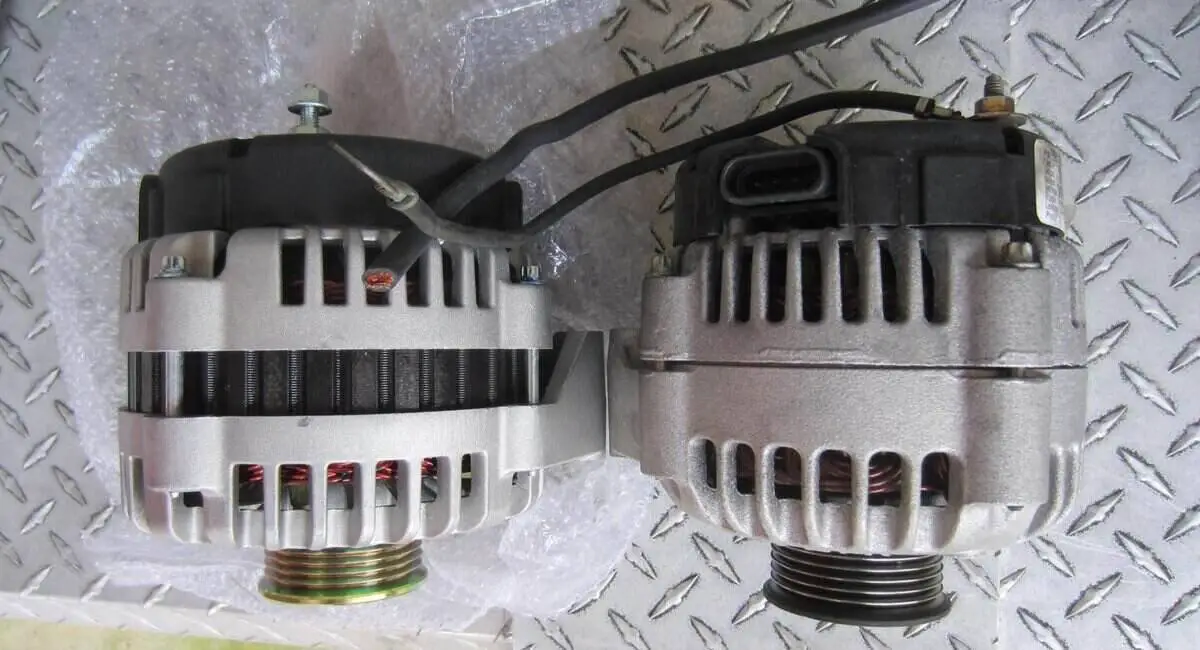
Upgrading your car audio system with powerful amplifiers and subwoofers is exciting, but many enthusiasts overlook one critical component: the alternator. If your headlights dim when the bass drops or your battery drains too quickly, your alternator may not be keeping up. In this article, we’ll explain what size alternator do I need for car audio, how to calculate your system’s power requirements, and the best upgrade options to ensure clean, uninterrupted sound.
Contents
- Why Alternator Size Matters in Car Audio
- How to Calculate What Size Alternator You Need for Car Audio
- Recommended Alternator Sizes for Car Audio Systems
- Other Factors to Consider Before Upgrading Alternator
- FAQ
- Do I need a high‑output alternator for car audio?
- How many amps does a 2000W car audio system need?
- Can I run a big audio system on a stock alternator?
- What’s the difference between alternator and battery upgrades?
- Is a dual alternator setup necessary for extreme car audio builds?
- How do I know if my alternator is failing because of my audio system?
- Conclusion
Why Alternator Size Matters in Car Audio
Your alternator is the backbone of your vehicle’s electrical system. It generates the current needed to power factory electronics, recharge the battery, and support aftermarket upgrades. When you install a high‑powered audio system, the demand on your alternator increases dramatically. Without the right alternator size, your system may suffer from voltage drops, distorted sound, or even permanent damage to your equipment.
Signs Your Alternator Can’t Handle Car Audio Load
- Dimming headlights: A clear sign your alternator is struggling to keep up with demand.
- Battery draining quickly: Indicates the alternator isn’t recharging effectively.
- Distorted sound at high volume: Voltage drops affect amplifier performance and clarity.
- Burnt smell or hot wires: Overloaded alternators can overheat, risking failure.
These symptoms should never be ignored. Addressing them early prevents costly repairs and ensures your audio system performs at its best.
How to Calculate What Size Alternator You Need for Car Audio
Understanding how to calculate alternator size ensures you choose the right upgrade and avoid guesswork.
Total Power Consumption of Your Audio System
Start by adding up the RMS wattage of all amplifiers. RMS is the continuous power your system consumes, not peak power. For example, a 2000W RMS system requires far more current than a 500W RMS setup. Always use RMS values for accurate calculations.
Converting Watts to Amps
Use the formula: Amps = Watts ÷ Voltage Most car systems operate at 12–14 volts. For a 2000W RMS system at 14V: 2000 ÷ 14 ≈ 143 amps. This figure represents the current draw of your audio system alone.
Considering Vehicle’s Stock Electrical Load
Factory electronics such as headlights, AC, and ECU typically consume 60–80 amps. Add this to your audio demand to determine total alternator size. For example, a 2000W RMS system plus factory load may require an alternator rated around 200–220 amps.
Recommended Alternator Sizes for Car Audio Systems
Choosing the right alternator depends on your system’s RMS rating and overall electrical demand.
Small Systems (Under 1000W RMS)
Most stock alternators (90–120 amps) can handle small setups. However, upgrading wiring may still improve performance and reduce strain.
Medium Systems (1000–2500W RMS)
High‑output alternators rated between 180–250 amps are recommended. These ensure stable voltage, prevent battery strain, and allow your amplifiers to deliver consistent power.
Large Systems (2500W+ RMS)
Heavy‑duty alternators rated 300+ amps are necessary. In extreme builds, dual alternator setups may be required to handle the load.
| Audio System RMS Power | Recommended Alternator Size | Notes |
|---|---|---|
| Up to 1000W | 90–120 amps (stock) | Usually sufficient for factory setups |
| 1000–2500W | 180–250 amps | High‑output alternator recommended |
| 2500W+ | 300+ amps | Heavy‑duty or dual alternator setup |
Other Factors to Consider Before Upgrading Alternator
Alternator size is only part of the equation. Supporting upgrades ensure your electrical system runs smoothly.
Battery Upgrades
A stronger alternator works best with a high‑capacity battery. AGM or lithium batteries provide better reserve capacity and handle higher current demands, preventing voltage drops during heavy bass hits.
Big 3 Wiring Upgrade
Upgrading the three main power and ground wires (alternator to battery, battery to chassis, and engine ground) ensures your electrical system can handle increased current flow. Without this upgrade, even a high‑output alternator may not perform at full potential.
Professional Installation vs DIY
While DIY installation is possible, improper wiring or incorrect alternator fitment can damage your system. Professional installers ensure safety, reliability, and long‑term performance.
| Approach | Cost Range | Difficulty | Effectiveness | Best For |
|---|---|---|---|---|
| DIY Upgrade | $150–$400 | Moderate | Good | Enthusiasts with electrical knowledge |
| Professional Install | $300–$600 | Easy (outsourced) | Excellent | Drivers seeking guaranteed results |
FAQ
Do I need a high‑output alternator for car audio?
– Yes, if your audio system exceeds 1000W RMS, a high‑output alternator ensures stable voltage and prevents battery drain. Stock alternators often struggle with heavy bass systems, leading to dimming lights and poor sound quality.
How many amps does a 2000W car audio system need?
– A 2000W RMS system requires about 143 amps at 14 volts, plus 60–80 amps for factory electronics. In total, you’ll need an alternator rated around 200–220 amps to run efficiently.
Can I run a big audio system on a stock alternator?
– Stock alternators can handle small systems under 1000W RMS. For larger setups, they often fail to provide enough current, causing voltage drops and battery strain. Upgrading is strongly recommended.
What’s the difference between alternator and battery upgrades?
– An alternator generates power while driving, while a battery stores power. Upgrading the alternator ensures continuous supply, while a stronger battery provides reserve capacity. Both work together for optimal performance.
Is a dual alternator setup necessary for extreme car audio builds?
– Yes, in systems exceeding 3000W RMS, dual alternators are often required. They split the electrical load, ensuring consistent voltage and preventing strain on a single alternator.
How do I know if my alternator is failing because of my audio system?
– Signs include dimming headlights, frequent battery drain, and distorted sound. If your alternator overheats or struggles to maintain voltage, it’s likely failing under the added audio load.
Conclusion
Choosing the right alternator size for car audio is essential for system performance and longevity. By calculating your system’s RMS demand, considering factory electronics, and upgrading wiring and batteries, you can ensure clean, powerful sound without electrical strain.
Ready to power your system the right way? Explore our recommended high‑output alternators, check out our Big 3 wiring upgrade guide, and learn more from trusted resources like alternator upgrades and Sonic Electronix installation tutorials.